Beyond the Mountains: What Kyrgyzstan Taught Me About Environmentalism
10/31/20252 min read
Beyond the Mountains: What Kyrgyzstan Taught Me About Environmentalism
Kyrgyzstan is the kind of place that sweeps you off your feet before you even realize what’s happening. With snow-capped mountains, turquoise alpine lakes, nomadic traditions, and a culture built around warmth and hospitality, it’s no wonder more travelers are adding this Central Asian gem to their bucket lists. But travel isn’t just about postcard-perfect views, and Kyrgyzstan taught me one of my most grounding lessons about environmental responsibility.
The Dark Side of a Beautiful Landscape
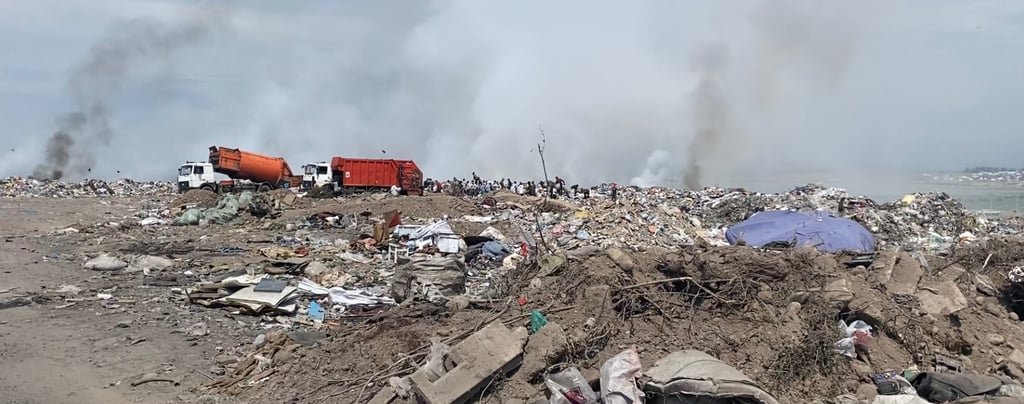
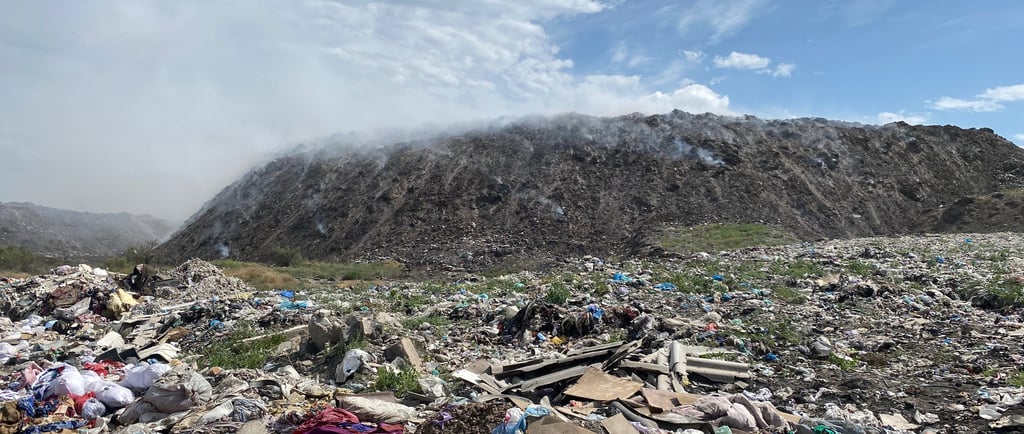
Just outside Bishkek, we visited a massive landfill—one that had grown for decades due to mismanagement, lack of regulation, and limited waste infrastructure. The site, often referred to as the “polygon” or “trash hill,” lies near the village of Altyn‑Kazyk. We were told to wear masks as we approached, warned that the fumes could make us sick. It wasn’t just a dump—it was a symbol of a larger environmental and public-health crisis.
What struck me most wasn’t the landfill itself, but the life around it. In Altyn-Kazyk, children ran and played just a few hundred metres from the enormous waste pile, breathing air that we were warned to avoid. For them, this was normal—this was home. They grew up beside it, unaware (or unable to be aware) of the slow, long-term damage it might be doing to their health and environment. The magnitude of the problem is clear: the landfill had been burning for years, emitting toxic gases, leachate leaching into soil and groundwater, and air quality in the capital ranked among the worst in the world. This moment grounded me. It forced me to confront the reality that environmental issues don’t exist in isolation—they affect communities first, especially those without the resources to change the systems around them.
A Country of Beauty, Complexity, and Growth
Kyrgyzstan is breathtaking. Its mountains look untouched, its lakes shimmer with impossible shades of blue, and its nomadic heritage feels deeply alive. And its people—warm, generous, and endlessly welcoming—will make you feel like family after one shared meal.
But like any country, it has challenges. Bishkek faces severe air pollution, especially in winter, and waste disposal remains a major issue. While a new EU-compliant sanitary landfill opened in late 2023 to address some of the capital’s waste problems, the legacy dump remains a threat and continues to operate in various capacities. Water scarcity and disputes are ongoing, and the pace of tourism growth is putting pressure on ecosystems and infrastructure.
To travel here—and anywhere responsibly—means seeing the full picture, not just the highlights.
Travel With Curiosity, Not Just a Camera
Travel shouldn’t only be about collecting beautiful photos—it’s about understanding a place: its triumphs, its struggles, and the people who call it home. Take the time to learn:
what environmental challenges locals face
how tourism and development impact local communities
how you might support eco-friendly, community-based initiatives
Because true travel isn’t escapism—it's education, empathy, and exchange.
Kyrgyzstan gave me mountains and memories—but it also gave me perspective. Beauty and hardship can exist side by side, and we honor a country more when we acknowledge both.
If you visit Kyrgyzstan, let it change you—not just through its landscapes, but through what those landscapes are fighting to overcome.